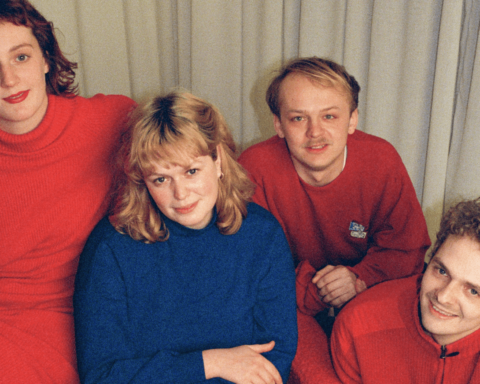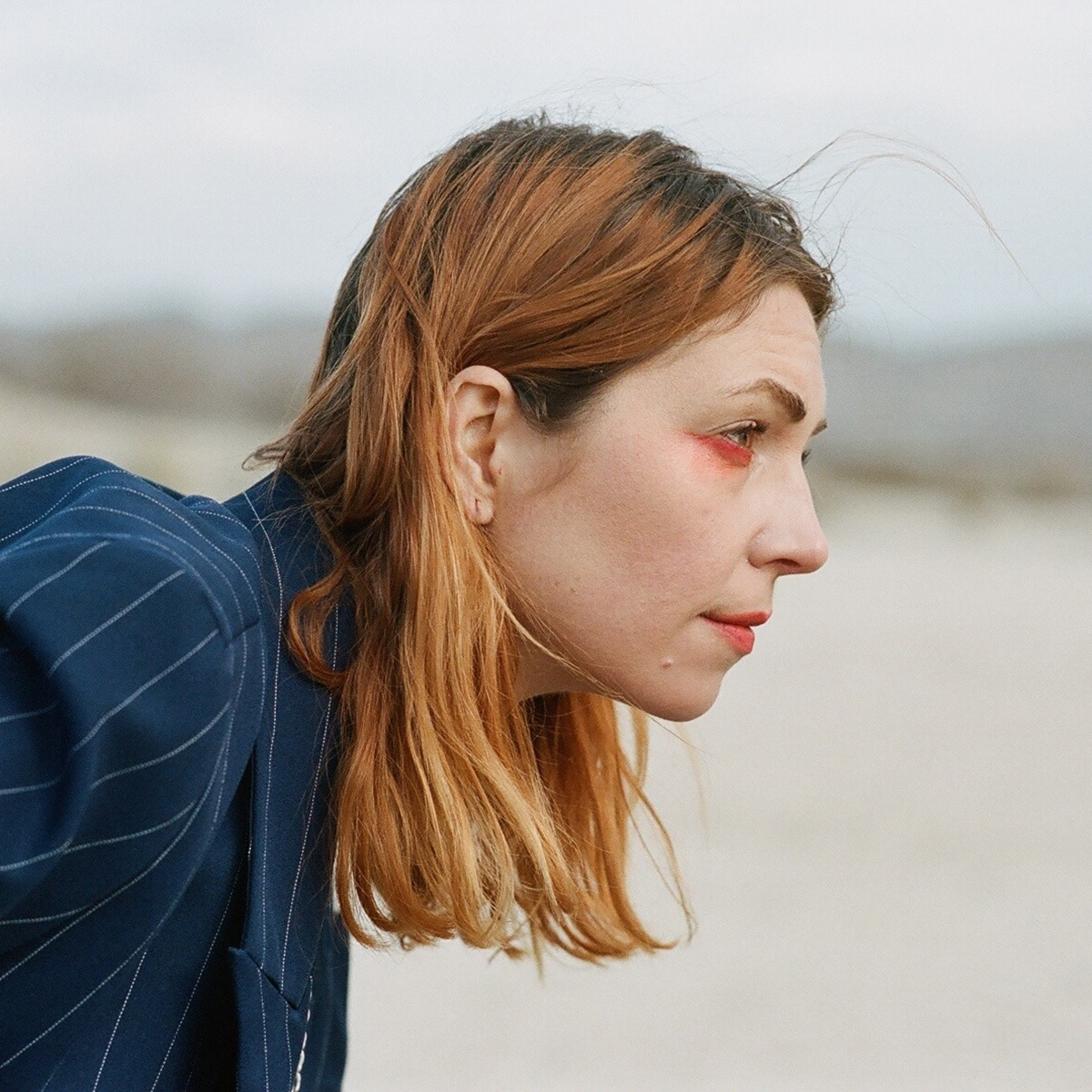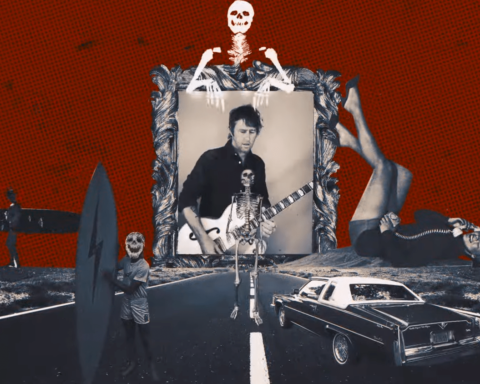



One artist emerged from the alternative rock explosion of the 1990s, helping define an era through her work with Hole and The Smashing Pumpkins. The other is a rising indie artist whose creative universe is equally shaped by bedroom recordings, internet culture and the strange digital landscapes of adolescence. Yet on “Head Down”, lucky break and Melissa Auf der Maur find themselves speaking a remarkably similar language.
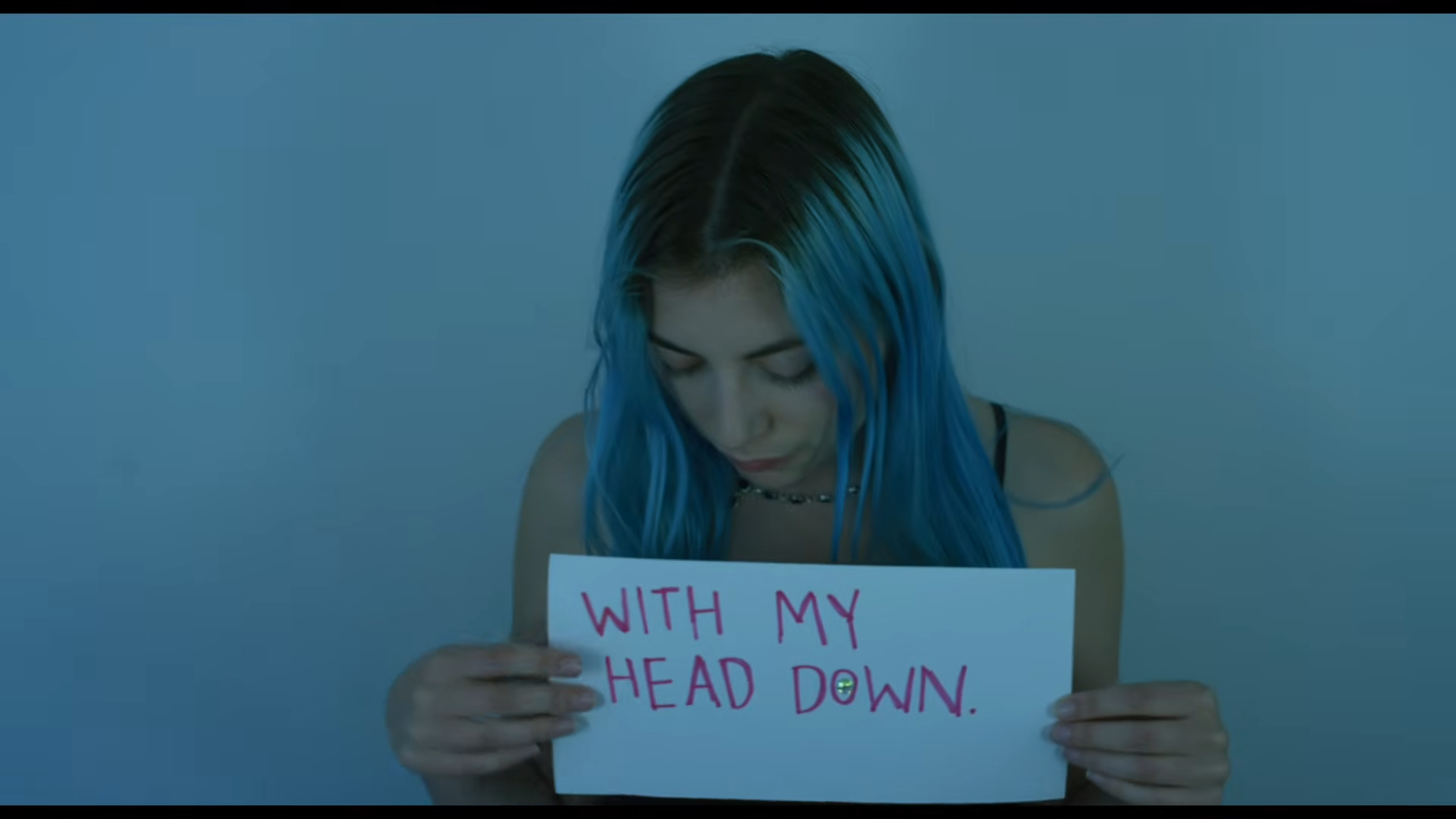
Originally appearing on lucky break’s debut album, the song explores a familiar tension: the gap between connection and isolation. Throughout the track, there is a recurring sense of dislocation. The narrator longs for intimacy and understanding, yet repeatedly retreats inward, choosing introspection over engagement. The repeated refrain, “I walk around with my head down,” functions as both confession and defence mechanism, capturing the emotional exhaustion that comes from navigating a world that feels increasingly disconnected.
The lyrics drift between the personal and the societal, pairing intimate moments of vulnerability with observations about routine, consumerism and emotional numbness. References to “mass-produced destruction” sit alongside expressions of longing, creating a world where emotional struggles are inseparable from the culture surrounding them. The result feels distinctly contemporary. The loneliness being described isn’t simply romantic; it’s existential.
The track sits comfortably within the lineage of guitar-driven alternative music that artists like Auf der Maur helped establish decades ago, as lush guitars and dreamy textures create a sense of movement, while the vocal interplay between lucky break and Auf der Maur adds an extra layer of emotional depth. Their voices don’t compete with one another. Instead, they reinforce the song’s central themes, turning what was originally a solitary reflection into something communal.
For lucky break, working with Melissa Auf der Maur represents a full-circle moment. The artist has openly discussed her childhood fascination with Hole, grunge music and the women who helped shape alternative culture. You can hear that influence throughout Head Down, but the song never feels trapped by nostalgia. Instead, it acknowledges those inspirations while building something distinctly its own.
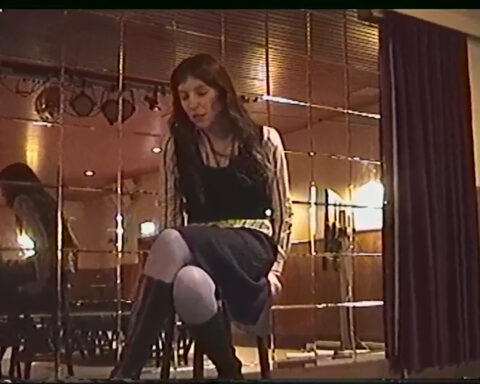
Inspired by the “story time” videos that populated early YouTube, the visual pays tribute to a specific moment in internet culture when young women first began publicly sharing experiences of bullying, mental health struggles and personal hardship online. Long before social media became the polished, algorithm-driven ecosystem it is today, these videos created spaces where vulnerability felt radical. By drawing on that imagery, lucky break taps into a collective memory that many listeners will immediately recognise.
Both Head Down and its accompanying visual are interested in what happens when people feel unseen. Whether through music, art or online communities, the project explores the ways people search for connection when traditional spaces fail them. There is sadness here, certainly, but there is also empowerment in that search.