


In a culture obsessed with urgency, self-optimisation and constant reinvention – the most devastating line in Margo Mann’s new single Shapeshifter isn’t hidden inside its lush instrumentation or buried beneath its theatrical arrangement – the phrase lands like a cold splash of water. It reframes the entire song, as Shapeshifter stops being a meditation on identity and becomes something far more unsettling: a reckoning with the cost of spending too much of your life performing for other people.
The Melbourne songwriter’s latest release arrives draped in cinematic piano, sweeping guitars and richly layered vocals, but at its core lies a deeply human anxiety. How much of ourselves do we slowly surrender in exchange for acceptance?
Throughout Shapeshifter, Margo explores the subtle compromises people make to become more palatable, more agreeable, more desirable. Not dramatic acts of self-betrayal, but the smaller adjustments that accumulate over years. The softened opinions. The curated personalities. The instinctive habit of becoming whatever a room requires. The song’s title captures that perfectly, as shapeshifter is somebody constantly transforming, constantly adapting. Yet beneath the flexibility sits an uncomfortable question: if you’re always changing for everyone else, who are you when nobody is looking?
Shapeshifter balances emotional heaviness with surprising openness, as the arrangement feels spacious, allowing Margo’s voice to occupy the foreground without overwhelming the listener. The decision to strip back the original jazz-influenced version in favour of Burke Reid’s more restrained production proves inspired. Every piano chord feels deliberate. Every silence feels meaningful. Rather than distracting from the song’s themes, the production amplifies them.
Margo cites late-90s and early-2000s Los Angeles chamber pop as a key influence, and you can hear traces of that throughout the track. Shapeshifter never feels nostalgic, as it occupies a timeless space somewhere between confessional songwriting and cinematic storytelling, drawing as much from atmosphere as melody.
Mann has described the song as capturing somebody who is waking up to their conditioning while remaining entangled within it. That ambiguity gives the track its emotional authenticity. Personal growth rarely arrives as a revelation. More often, it unfolds as a slow and uncomfortable awareness that something isn’t working anymore.
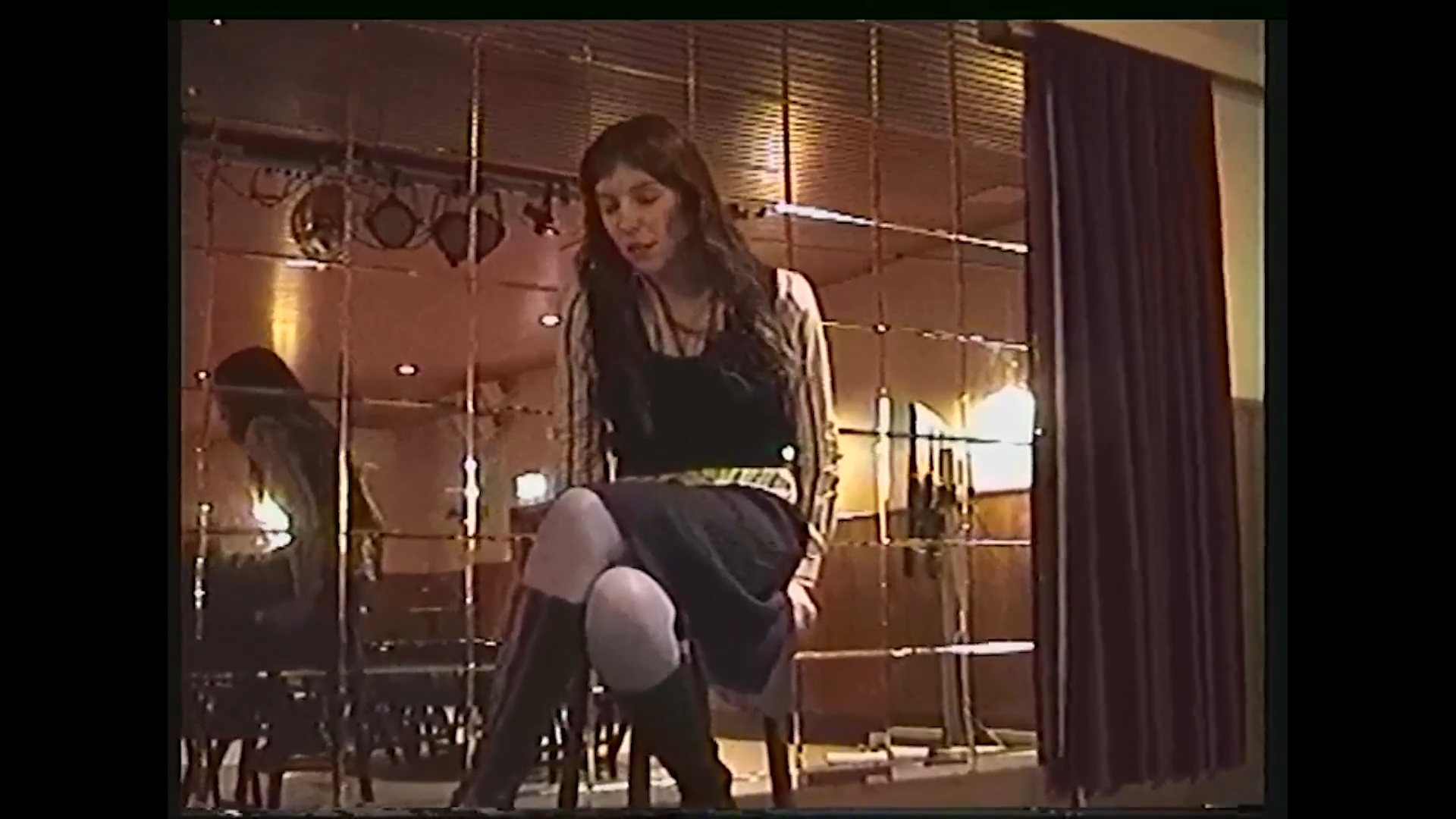
The music video reinforces that feeling. As there are references to loneliness, borrowed identities and emotional displacement create a portrait of somebody caught between who they have been and who they might become. Even moments of hope feel fragile, as though they could disappear at any moment.