


There’s something fascinating about artists who create entire worlds around their music, and rather than treating each release as an isolated experience, they allow their songs to become chapters in a much larger story, where identity, personal history and imagination gradually reveal themselves. For Sydney-based Australian-Chilean/Ecuadorian artist Isolía, formerly known as Lolita Mae, that approach has become an essential part of her creative identity. Her debut three-part EP brings together three interconnected songs that explore love, devotion, fear and the complicated emotional inheritance that can shape who we become.
The project also represents a significant change in direction for an artist whose music Eat This Music has followed for some time. Back in April 2025, we explored her single “Girl From Mars“. an experimental mixture of electro-pop, dark house and trap that examined the experience of feeling different from the people around you. At the time, she spoke openly about rejection, insecurity and the pressure to conform to expectations that never quite suited her. “I started to feel like there was no mold I could fit into,” she told *Eat This Music* during our earlier interview.
That sense of displacement became central to her artistic identity. Rather than attempting to make herself more accessible by following established pop conventions, she began creating music that embraced the unusual, unsettling and deeply personal.
Her subsequent release, “Apollo 11“, expanded that world through a romantic collaboration, transforming the isolation of “Girl From Mars” into something more intimate. Where the earlier song explored what it meant to feel like an outsider, “Apollo 11” imagined what might happen when somebody finally understands you. Those releases were steeped in extraterrestrial imagery, but beneath their cosmic settings were recognisably human concerns: belonging, connection and the desire to be accepted.
With Sonríe Al Diablo, Isolía brings those questions closer to home, as the trilogy begins with “Slow Burn,” a chapter built around the heat and intensity of early love. It’s the stage of a relationship where attraction can feel overwhelming, when everything is exciting precisely because so much remains unknown. From there, “Pacific Ocean Love” moves into deeper emotional territory, exploring devotion and the vulnerability that accompanies becoming attached to somebody. The progression is deliberate. Attraction develops into intimacy, and intimacy creates the possibility of both profound connection and emotional exposure. But the final chapter is where the story becomes considerably more complicated. “Sonríe Al Diablo,” which translates to Smile at the Devil, moves away from romantic idealism and towards the darker psychological experiences that can emerge when somebody begins confronting themselves.
Anxiety, derealisation, existential fear and generational trauma become central to the song’s narrative. Rather than presenting these experiences as something that can simply be overcome through determination, Isolía approaches them as deeply embedded parts of an individual’s emotional history. The devil of the title isn’t necessarily a supernatural figure. Instead, it becomes a representation of the fears, memories and inherited wounds that can influence how people understand themselves and their relationships. It’s an interesting metaphor because it changes the meaning of confrontation. Smiling at the devil isn’t about pretending that darkness doesn’t exist. It’s about acknowledging its presence without allowing it to dictate everything that follows.
That distinction gives the trilogy a more substantial emotional foundation than its romantic opening might initially suggest. Musically, the title track also draws Isolía further into the cultural influences that have shaped her identity. The combination of bolero-inspired romanticism, finger-style Spanish guitar, ethereal electronic textures and trap-influenced percussion brings traditional and contemporary musical ideas into the same space. It’s a particularly appropriate direction for a project concerned with inheritance. Just as the lyrics explore the experiences and emotional patterns passed between generations, the instrumentation draws from musical traditions that carry their own histories. The Spanish guitar and bolero influences connect the song to Latin romantic expression, while the electronic production places those influences within Isolía’s established alternative-pop world.
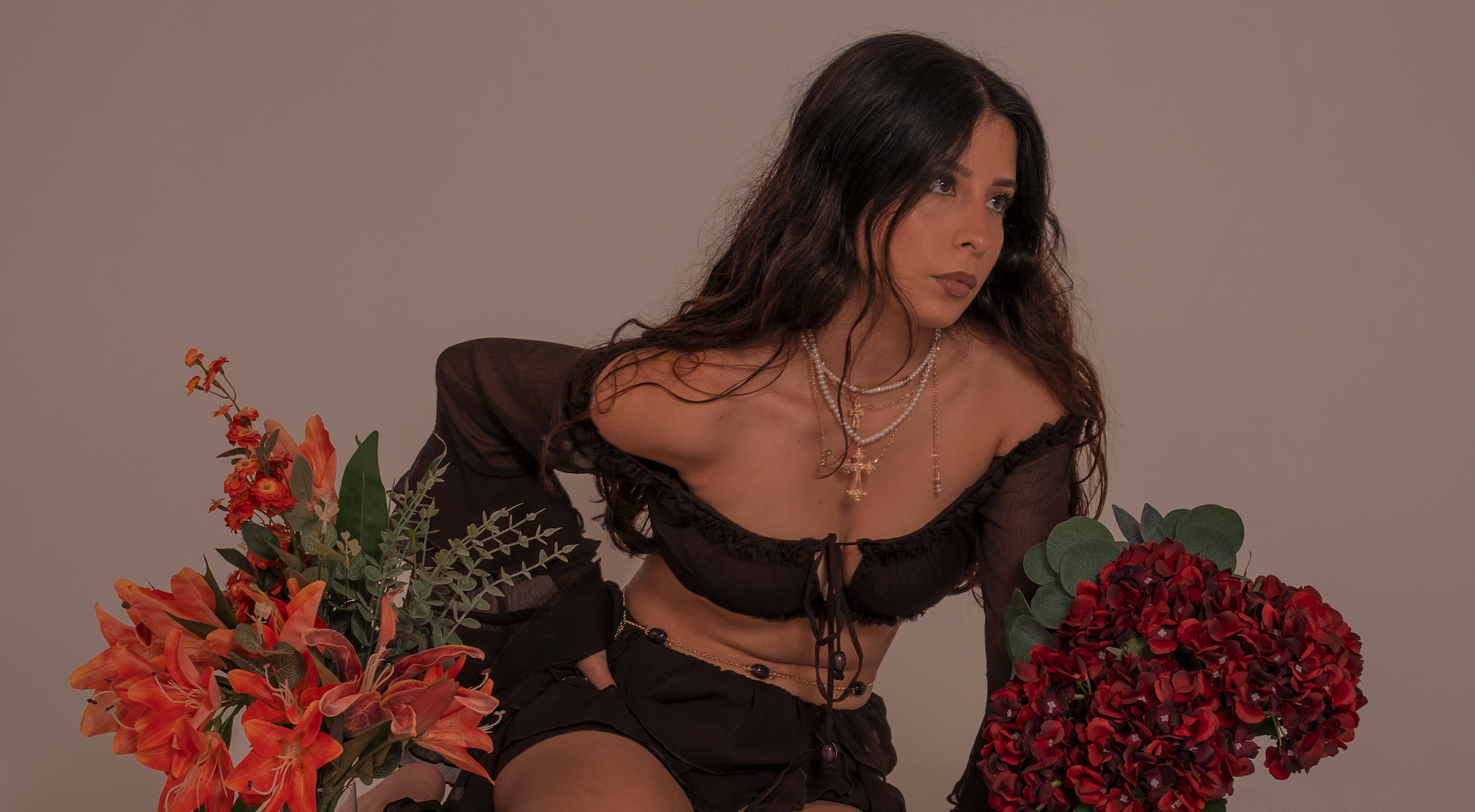
There’s also a visual dimension to the project. Drawing inspiration from Spanish gothic Catholicism, religious symbolism and subtle horror imagery, Isolía uses the aesthetics of faith and the supernatural to explore psychological experiences that are difficult to communicate directly. These choices aren’t entirely disconnected from her earlier work.
When I interviewed Isolía about “Girl From Mars,” she described her creative process as something deeply intuitive, explaining that certain musical ideas seemed to arrive from somewhere beyond her immediate understanding. She was also particularly interested in creating unsettling atmospheres through unconventional production techniques, including reversed screams and manipulated metallic sounds.
The imagery may have shifted from distant planets to ancestral memory and gothic spirituality, but her fascination with the unknown remains. What has changed is the direction of that curiosity. Previously, Isolía imagined alternative worlds where her individuality might be understood. Now, she’s examining the cultural and emotional history that has contributed to that individuality in the first place. That makes her transition from Lolita Mae to Isolía more than a straightforward change of stage name.


