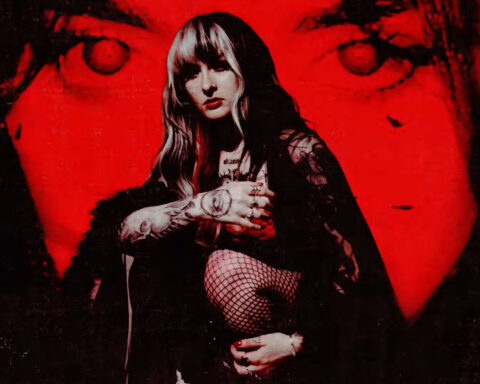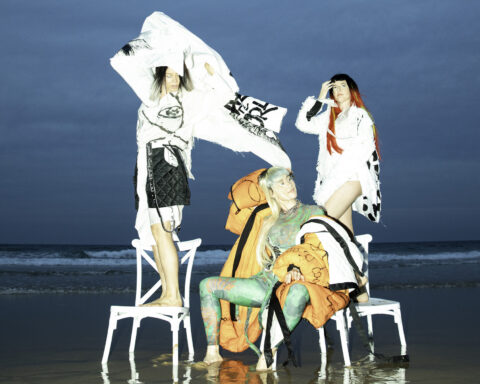



For a group whose identity has been built on disruption, Pussy Riot’s debut album is likely going to feel like the culmination of everything they’ve spent the past fourteen years fighting for: protest, imprisonment, surveillance, exile, censorship and survival are woven into the DNA of this record. Even before hearing a single note, the album arrives carrying the weight of a remarkable history. Alongside the album announcement comes “Candy Dopamine”, a collaboration with Avenged Sevenfold that crashes together punk, pop melodies and raw instrumentals in a way that shouldn’t work on paper but somehow does for the artists involved.
Most artists announce their debut album with a press release, a teaser video, or a carefully curated social media campaign… not Pussy Riot though, they announced theirs with a protest. In fact, the Russian feminist art collective unveiled details of their long-awaited debut album by staging an explosive demonstration at the Venice Biennale – often described as the Olympics of the art world – timed to coincide with Russia’s controversial return to the event. It was provocative, confrontational and impossible to ignore. In other words, it was pure Pussy Riot.
Speaking on the release of the single, Nadya from Pussy Riot explains that this song is kind of a love & hate song to prescription and designer drug culture. “It started with my dependence on anti depressants,” Nadya says, “but it’s also looking at everyone now mentalhealthmaxxing and looksmaxxing via pills and injections. It’s not a judgement, it’s just an observation and my personal experience with these things is that I have to be in a long term relationship with them for my PTSD and depression.”
The title itself, perfectly captures that contradiction, as it sounds playful, colourful and harmless, yet underneath lies a deeper conversation about dependency, coping mechanisms and the increasingly blurred line between wellness, self-improvement and pharmaceutical intervention. Since emerging from Moscow’s underground protest scene in 2011, Pussy Riot have existed at the intersection of music, activism and performance art. Their work has consistently challenged authority, confronted political power and refused to separate art from action. Whether people view them as musicians, activists or provocateurs often depends on which part of their story they encounter first.