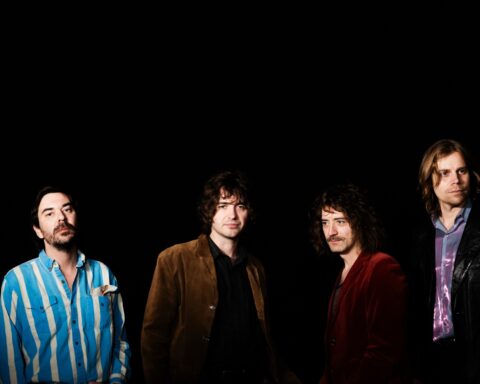



Keli Holiday’s newest song, “More”, centres on emotional intensity, attraction, and the immediacy of connection, conveyed through a highly rhythmic and repetitive lyrical structure. From the outset, More establishes a playful intimate tone, addressing Keli directly and creating a sense of personal focus. This directness positions the listener within a private, almost conversational space, enhancing the emotional closeness of the piece.
A defining feature of the song is the repeated emphasis on the word “Heat.” This motif functions as a central symbol of passion, desire, and emotional energy. Its recurrence reinforces the mood and gives the track a strong, memorable identity. Rather than advancing a clear narrative, the repetition creates atmosphere and emotional momentum, prioritising sensation and impact over linear storytelling.
The lyrics also incorporate abstract and imaginative imagery, including references to exploration, sunlight, and unconventional metaphors. These elements contribute to a dreamlike quality, suggesting emotional freedom and creative expression. The language does not aim for literal coherence; instead, it evokes mood and sensory experience, allowing listeners to interpret meaning through feeling rather than logic.
Another notable aspect is the interactive nature of the text. Repeated prompts such as “Tell me what you see” and “Tell me what you say” suggest dialogue and mutual engagement, reinforcing themes of intimacy and connection. This approach strengthens the emotional immediacy of the song and positions it as an expressive exchange rather than a structured narrative.
Coming off the release of Keli’s Capital Fiction record, the piece functions as a stylised exploration of attraction and emotional intensity. Its emphasis on rhythm, repetition, and imagery reflects a focus on atmosphere and affect, making it less about storytelling and more about capturing a moment of heightened emotional experience.