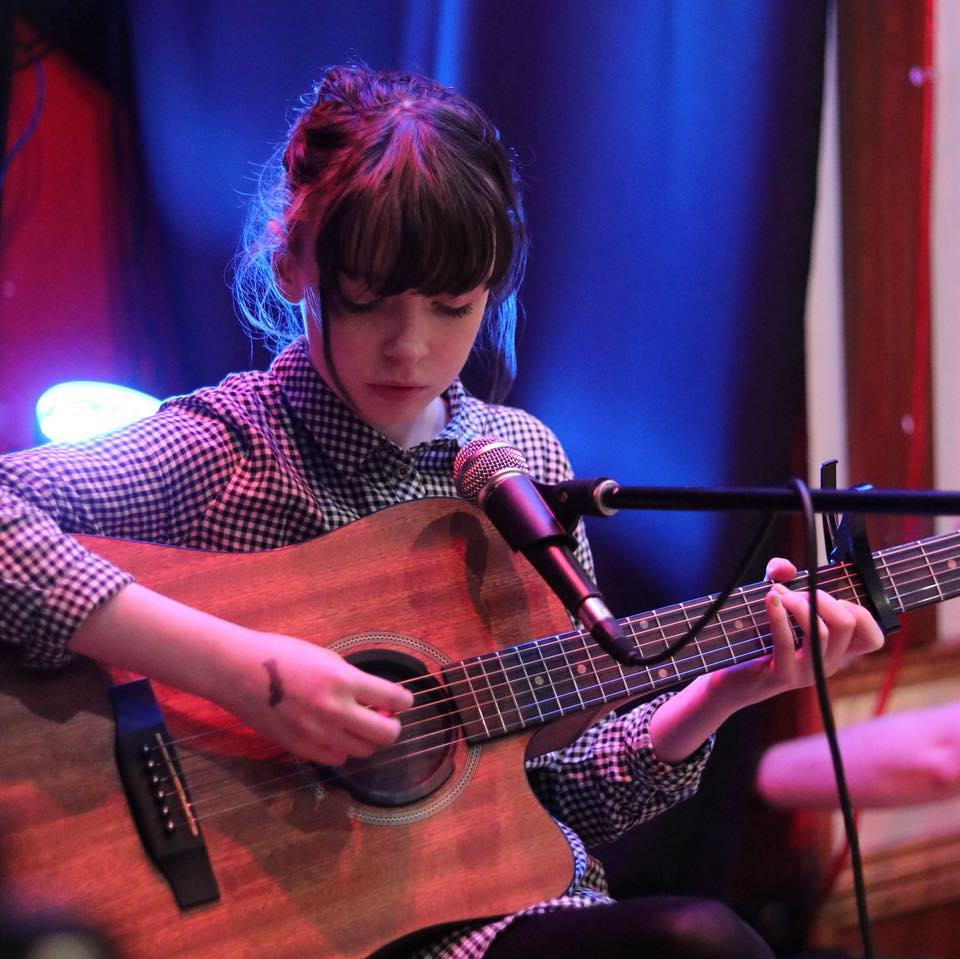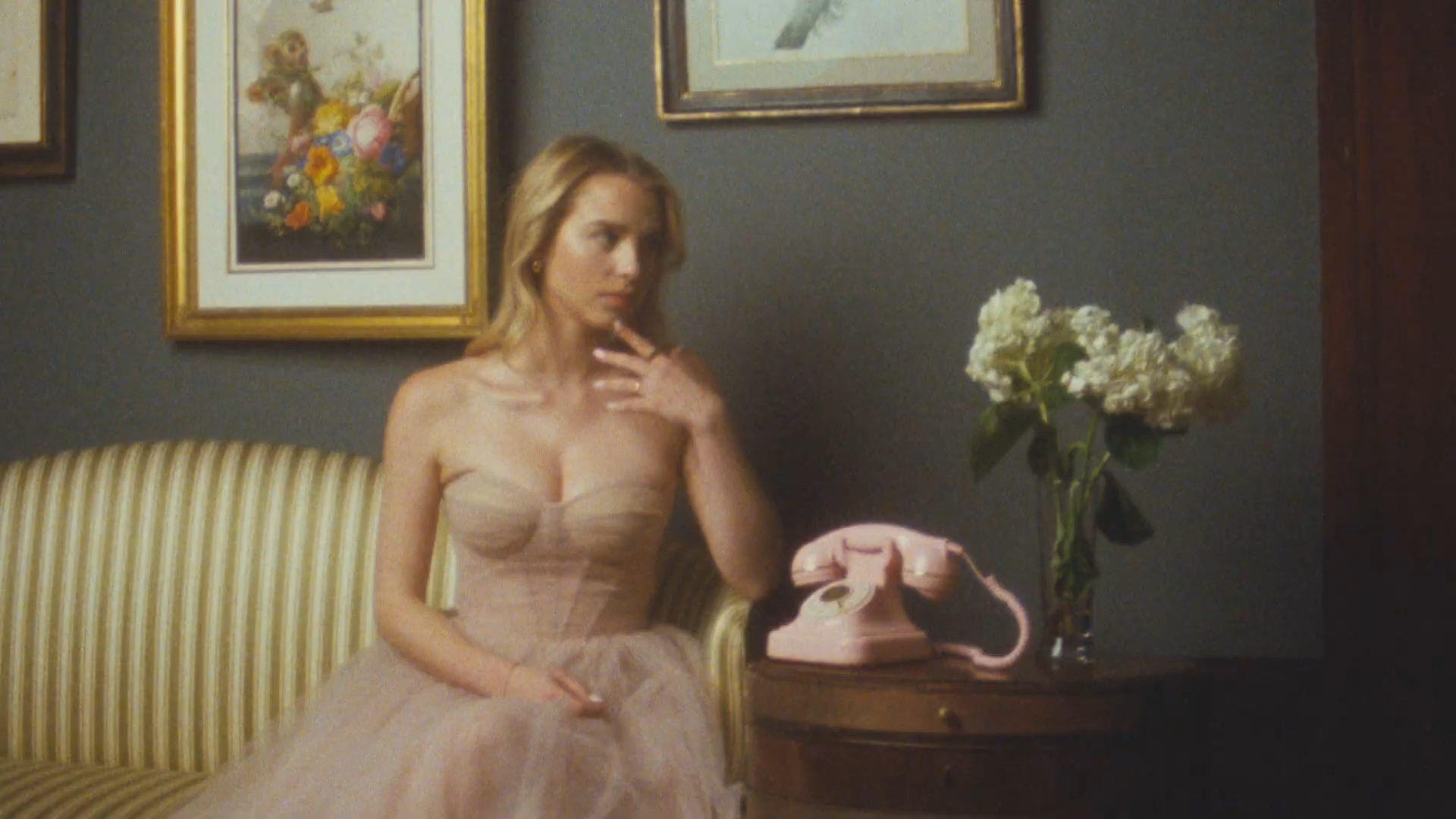



Grace Annabella Anderson’s debut album “Art, Baby” arrives with the kind of confidence that doesn’t need to announce itself loudly; across thirteen tracks, the Nashville-based artist leans into poetic restraint and emotional precision, crafting a record that feels intimate. Produced with Thomas Dulin at The Planetarium in Nashville, the album moves through nostalgia, disillusionment, and desire with the steady hand of someone more interested in truth than theatrics.
What distinguishes Art, Baby is its clarity of intent in the way that Grace writes from the vantage point of someone who feels deeply but refuses to romanticise emotional chaos for its own sake. Her songs are confessional without slipping into diary-entry indulgence, carefully balancing vulnerability with self-awareness. There is also a softness to the album’s emotional palette, and it’s a deliberate softness – one that frames sensitivity as strength rather than fragility.
The title track of the album serves as the album’s emotional thesis, as rather than mourning the end of a relationship, Grace reframes it as an act of reclamation. The song traces the arc of a romance between two creatives, gently unpacking the ways intimacy, ego, and inspiration can blur until the relationship itself becomes unsustainable. There’s humour here, too—subtle, self-reflective, and knowing—especially in how Anderson skewers the myth of the aloof artist while stepping out from under it.
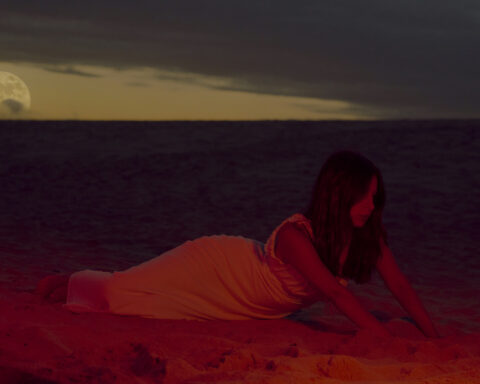
That sense of release carries into the song’s music video below. Directed by Samantha Joia, the video places Grace inside a gilded frame, wrapped in pink tulle like a living artwork, before following her through Manhattan as she quietly rebuilds herself. It’s less a grand narrative than a series of observations: moments of adjustment, departure, and self-surveillance that mirror the song’s emotional arc. The result feels less like a breakup statement and more like a quiet declaration of independence.
Throughout Art, Baby, Grace returns to the idea of art as both refuge and reckoning, as she creatively becomes the language through which endings are processed and meaning is preserved, even as relationships dissolve. The album’s recurring themes – acceptance, mutual fault, emotional distance, and the slow fading of significance – are handled with a maturity that suggests Anderson is less interested in dramatic closure than honest resolution.
Art, Baby is a debut that understands its own emotional scope. However, it doesn’t chase reinvention or spectacle; instead, it commits to the quieter, harder work of self-definition.